

BAC Water: What It Is and Why It Matters in Peptide Research
Introduction
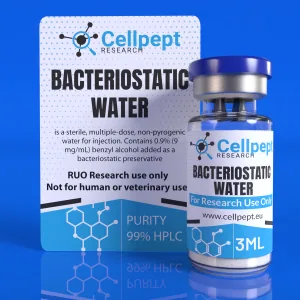
Bacteriostatic Water, commonly called BAC Water, is one of the most important solutions used in peptide research and reconstitution. It is widely used because it helps maintain sterility during multi-use applications.
Additionally, BAC Water contains a preservative that slows bacterial growth. As a result, researchers often prefer it over regular sterile water for peptide preparation.
What Is BAC Water?
BAC Water is sterile water that contains 0.9% benzyl alcohol as a preservative. The benzyl alcohol helps inhibit bacterial growth, making the solution suitable for multiple withdrawals from the same vial.
BAC Water is commonly used for:
- Peptide reconstitution
- Multi-dose vial preparation
- Laboratory research applications
- Sterile compound mixing
Therefore, BAC Water has become a standard solution in peptide-related research environments.
Why BAC Water Is Used in Peptide Research
Many peptides are sold in a lyophilized (freeze-dried) form.
Because of this, researchers use a sterile diluent to prepare the peptide solution before use.
BAC Water is preferred because it:
- Helps reduce bacterial growth
- Supports multi-use vial handling
- Maintains solution stability longer than plain sterile water
As a result, it is commonly used in peptide reconstitution protocols.
BAC Water vs Sterile Water
Although they may appear similar, BAC Water and sterile water are different.
| Feature | BAC Water | Sterile Water |
|---|---|---|
| Contains preservative | Yes | No |
| Multi-use capability | Yes | Usually single-use |
| Benzyl alcohol content | 0.9% | None |
| Common research use | Peptide reconstitution | Immediate single-use mixing |
Therefore, researchers often choose BAC Water when repeated vial access is expected.
Proper Storage of BAC Water
Proper storage helps maintain sterility and quality.
General storage recommendations include:
- Store in a cool, dry environment
- Protect from excessive heat and light
- Keep the vial sealed when not in use
Some research guides recommend using opened multi-dose vials within about 28 days when proper sterile handling is maintained.
Important Safety Considerations
BAC Water helps slow bacterial growth, but it does not completely sterilize contaminated solutions.
Researchers should still:
- Use sterile handling techniques
- Avoid contaminated needles or surfaces
- Inspect solutions for cloudiness or particles
Additionally, low-quality BAC Water may contain impurities. Some community discussions strongly emphasize using reputable pharmaceutical-grade products.
Why BAC Water Became So Popular
The rise of peptide research increased demand for reliable reconstitution solutions.
BAC Water became popular because it:
- Supports repeated vial access
- Improves convenience in laboratory settings
- Provides preservative protection
As a result, it remains the standard choice for many peptide research applications.
Conclusion
BAC Water is an essential part of peptide research and reconstitution.
By combining sterile water with a bacteriostatic preservative, it supports safer multi-use handling and solution stability.
Ultimately, BAC Water remains one of the most widely used solutions in peptide preparation and laboratory research settings.
Reviews
There are no reviews yet.