
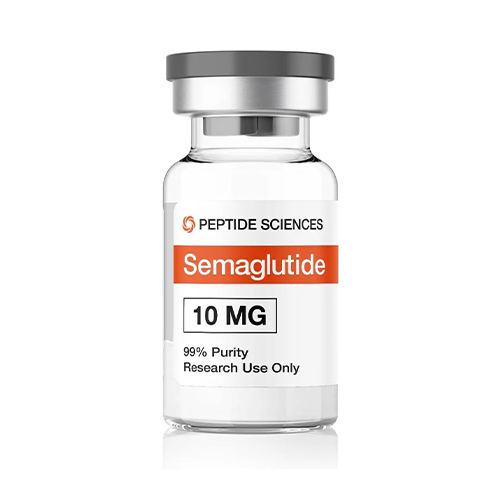
Semaglutide
Semaglutide is a GLP-1 analog with 94% homology to human GLP-1. It acts as a GLP-1 receptor agonist, selectively binding to and activating the GLP-1 receptor, the target of native GLP-1. GLP-1 is a physiological hormone with several effects on glucose and appetite regulation, as well as on the cardiovascular system. Its effects on glucose and appetite are specifically mediated via GLP-1 receptors in the pancreas and brain.
Semaglutide lowers blood glucose in a glucose -dependent manner by stimulating insulin secretion and reducing glucagon secretion when blood glucose is elevated. This blood glucose-lowering mechanism also results in a slight delay in gastric emptying in the early postprandial phase. During hypoglycemia, semaglutide decreases insulin secretion without affecting glucagon secretion .
Semaglutide reduces body weight and fat mass by decreasing energy intake, leading to an overall reduction in appetite. Furthermore, semaglutide reduces cravings for high-fat foods.
GLP-1 receptors are also expressed in the heart, vascular system, immune system, and kidneys.
Semaglutide has a beneficial effect on plasma lipids, lowers systolic blood pressure, and reduces inflammation, according to clinical studies. In animal studies, semaglutide attenuates the development of atherosclerosis by preventing the progression of aortic plaque and reducing inflammation within the plaque.





Reviews
There are no reviews yet.