
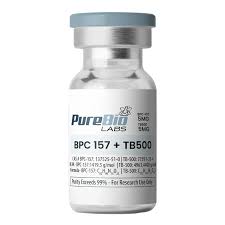
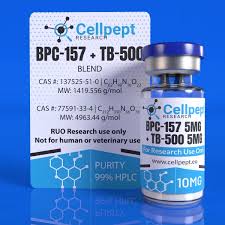
BPC-157 10mg + TB-500 10mg Blend: Recovery Research and Peptide Guide
Introduction
The combination of BPC-157 and TB-500 remains one of the most recognized peptide blends in recovery and regenerative research. The BPC-157 10mg + TB-500 10mg blend is commonly discussed because researchers study both compounds for their potential role in tissue repair and recovery pathways.
Additionally, this blend has gained significant popularity in muscle, tendon, and connective tissue research. As a result, it continues to attract attention in peptide science and performance-focused discussions.
What Is the BPC-157 10mg + TB-500 10mg Blend?
This blend combines two peptides widely researched for regenerative and recovery-related pathways.
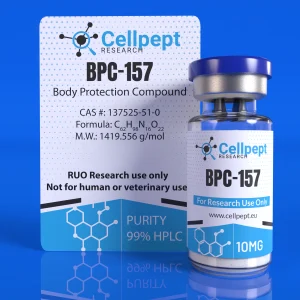
BPC-157 is commonly studied for:
- Tendon and ligament support
- Tissue repair pathways
- Collagen-related signaling
- Gut health research
TB-500 is commonly studied for:
- Cellular migration pathways
- Muscle recovery research
- Tissue remodeling
- Inflammation-related signaling
Therefore, researchers often explore this combination for broader regenerative applications.
How the Blend Works
Although both peptides work differently, researchers believe they may complement each other.
BPC-157 may:
- Support localized tissue signaling
- Influence blood vessel formation pathways
- Promote connective tissue research
TB-500 may:
- Support systemic recovery pathways
- Influence cellular movement
- Promote tissue remodeling signaling
Because of these mechanisms, the blend became highly popular in recovery science.
Potential Benefits of BPC-157 + TB-500 Research
1. Muscle Recovery Research
Researchers study this blend for its possible role in supporting muscle repair and recovery after physical stress.
2. Tendon and Ligament Support Research
BPC-157 is strongly associated with connective tissue pathways.
As a result, the blend is often discussed in tendon and ligament research.
3. Regenerative Science Interest
TB-500 is frequently explored for tissue remodeling and recovery signaling.
Therefore, combining it with BPC-157 may broaden regenerative research potential.
4. Inflammation-Related Pathway Research
Both peptides are linked to inflammation-related studies.
Additionally, researchers continue exploring how they may support tissue recovery processes.
5. Recovery-Focused Research Applications
The blend remains one of the most recognized peptide combinations in performance and regeneration discussions.
Why the BPC-157 10mg + TB-500 10mg Blend Became Popular
Recovery remains a major focus in peptide science.
Unlike many compounds that focus mainly on:
- Stimulant effects
- Appetite pathways
- Hormonal activity
This blend focuses more on:
- Tissue repair research
- Recovery pathways
- Connective tissue signaling
- Regenerative science
Because of this, the combination became widely known in peptide communities.
Is This Blend Approved?
Both BPC-157 and TB-500 remain research peptides.
Important considerations:
- Human clinical data remains limited
- Long-term safety is still unclear
- Regulatory status varies depending on region
Therefore, discussions about this blend should remain within scientific and educational contexts.
Possible Risks and Concerns
Research into long-term safety is still ongoing.
Potential concerns may include:
- Limited human studies
- Unknown long-term effects
- Product purity variability
- Quality concerns from unverified suppliers
As a result, careful scientific evaluation remains important.
BPC-157 + TB-500 vs Traditional Recovery Compounds
Traditional recovery products often focus on temporary symptom support.
However, this peptide blend differs because:
- It targets regenerative pathways
- It focuses on connective tissue research
- It is widely associated with tissue-repair signaling studies
Therefore, it continues to stand out in regenerative peptide science.
Reviews
There are no reviews yet.