

Cagrilintide: Benefits, Weight Loss Research, and How It Works
Introduction
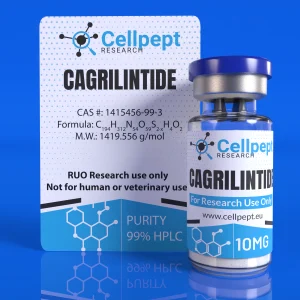
Cagrilintide is a peptide-based compound studied for its potential role in appetite regulation and weight management. In recent years, researchers have shown growing interest in cagrilintide because of its ability to influence hunger and satiety pathways.
Additionally, cagrilintide is often discussed alongside GLP-1–related therapies in obesity and metabolic research. As a result, it has become one of the most promising compounds in modern weight-management science.
What Is Cagrilintide?
Cagrilintide is a long-acting analog of amylin, a hormone naturally released alongside insulin.
Researchers study cagrilintide for its potential to:
- Reduce appetite
- Increase feelings of fullness
- Support weight-management pathways
- Influence metabolic regulation
Therefore, cagrilintide remains an important topic in obesity research.
How Cagrilintide Works
Cagrilintide works by targeting pathways involved in hunger and satiety.
Research suggests it may:
- Slow stomach emptying
- Increase satiety signals
- Reduce calorie intake
- Influence appetite-regulation pathways
Because of these effects, researchers continue exploring cagrilintide for long-term weight-management support.
Potential Benefits of Cagrilintide
1. Appetite Regulation Research
Researchers study cagrilintide for its potential ability to reduce hunger and cravings.
2. Weight Loss Support
By increasing fullness, cagrilintide may help support gradual and sustainable weight management pathways.
3. Metabolic Research Interest
Cagrilintide is often explored in metabolic and obesity-related studies.
As a result, it remains highly relevant in modern peptide science.
4. Combination Therapy Research
Researchers frequently investigate cagrilintide alongside GLP-1 compounds.
Therefore, interest in combination metabolic therapies continues to grow.
Why Cagrilintide Became Popular
Weight-management research has evolved rapidly in recent years.
Unlike many traditional weight-loss products that rely mainly on:
- Stimulants
- Short-term appetite suppression
- Energy-boosting ingredients
Cagrilintide focuses more on:
- Hormonal satiety signaling
- Long-term appetite regulation
- Metabolic pathway research
Because of this, it has become one of the most discussed compounds in obesity science.
Is Cagrilintide Approved?
Cagrilintide continues to be studied in clinical research settings.
Important considerations:
- Research is still ongoing
- Approval status varies depending on region and formulation
- Long-term data continues to develop
Therefore, discussions about cagrilintide should remain medically accurate and research-focused.
Possible Risks and Side Effects
Like many appetite-regulation compounds, cagrilintide may cause side effects.
Potential side effects may include:
- Nausea
- Digestive discomfort
- Reduced appetite
- Fatigue
However, side effects and tolerability may vary between individuals.
Cagrilintide vs Traditional Weight Loss Compounds
Traditional weight-loss products often rely on stimulant effects.
However, cagrilintide differs because:
- It targets satiety pathways directly
- It mimics amylin-related signaling
- It focuses on appetite regulation rather than stimulation
As a result, researchers consider it a next-generation metabolic compound.
Conclusion
Cagrilintide is an advanced peptide-based compound studied for appetite regulation and weight-management research.
By targeting satiety and metabolic pathways, it continues to attract attention in obesity and metabolic science.
Ultimately, ongoing research will help determine its long-term role in weight-management strategies.






Reviews
There are no reviews yet.