
ACTH 1-39: Benefits, Research, and How It Works
Introduction
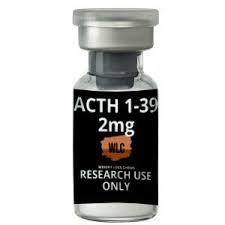
ACTH 1-39 is a peptide hormone studied for its role in adrenal function and hormone signaling. In scientific research, ACTH 1-39 is important because it influences cortisol production and stress-response pathways.
Additionally, researchers study this peptide to better understand endocrine regulation, metabolism, and adrenal health.
What Is ACTH 1-39?
ACTH 1-39 stands for Adrenocorticotropic Hormone, a naturally occurring peptide produced by the pituitary gland.
Its primary role includes:
- Stimulating the adrenal glands
- Supporting cortisol production
- Regulating stress-response pathways
- Influencing metabolic function
Because of these actions, ACTH 1-39 plays a major role in endocrine research.
How ACTH 1-39 Works
ACTH 1-39 works by binding to receptors in the adrenal cortex.
As a result, it may:
- Trigger cortisol release
- Influence adrenal hormone activity
- Affect energy metabolism
- Support stress-response signaling
Therefore, researchers use ACTH 1-39 to study hormone regulation and adrenal function.
Potential Benefits of ACTH 1-39 Research
1. Adrenal Function Research
Researchers study ACTH 1-39 to understand how the adrenal glands respond to hormonal signals.
2. Cortisol Regulation Studies
ACTH directly influences cortisol production.
As a result, it remains important in stress-response research.
3. Endocrine System Research
The endocrine system controls many biological processes.
Therefore, ACTH 1-39 helps researchers explore hormonal communication pathways.
4. Metabolic Research
Cortisol affects metabolism and energy regulation.
Because of this, ACTH 1-39 is also relevant in metabolic science.
Why ACTH 1-39 Is Important in Science
ACTH 1-39 is considered one of the key hormones involved in the hypothalamic-pituitary-adrenal (HPA) axis.
This makes it valuable for studying:
- Stress physiology
- Hormonal balance
- Adrenal responsiveness
- Neuroendocrine signaling
Additionally, it helps researchers better understand how the body adapts to stress.
Is ACTH 1-39 Approved?
ACTH-related therapies have medical applications in certain clinical settings.
However, research-grade ACTH 1-39 products are intended for laboratory and scientific use only.
Important considerations:
- Use depends on regulatory approval
- Research compounds are not intended for unsupervised use
- Proper medical oversight is essential in clinical applications
Possible Risks and Side Effects
Because ACTH influences cortisol and adrenal activity, improper use may affect hormone balance.
Potential concerns may include:
- Hormonal imbalance
- Elevated cortisol levels
- Fluid retention
- Metabolic changes
Therefore, professional supervision is essential in medical contexts.
ACTH 1-39 vs Other Peptides
Many peptides focus on muscle growth or metabolism.
However, ACTH 1-39 primarily targets adrenal and endocrine pathways.
This makes it unique because:
- It directly affects cortisol signaling
- It plays a central role in stress physiology
- It is essential in endocrine research

Reviews
There are no reviews yet.